A few years ago, a sailing buddy approached me with a request to build an urn for the ashes of his late wife. He, his wife, and I had sailed together from time to time on our boats, and over the years we had shared many experiences at sea. Naturally, I agreed to his request and built the urn more or less according to the dimensions he gave me. It was made of teak wood, fitting and proper for sailors and seafarers, using wood left over from projects I had once done on my own boat.
About a year ago, encouraged by the success of the first urn, he came back and asked me to build one for him as well — for his ashes, “just in case.” Not that he was about to die. Apparently, he looked at my condition and worried that I might die before he did, leaving him without an urn.
So far, I’ve managed to survive. I found the very last scraps of teak I had left and built him the urn whose picture I present here.
Since we are already dealing with matters of death and burial, I personally don’t really have that problem. Not that I’m planning to die anytime soon.
My wife’s grandfather, who lived many years ago in Monsey, New York, heard that a Jewish cemetery was opening on a rather desolate stretch of land in New Jersey, where burial plots were being sold at bargain prices. Being in the schmatte business, he smelled an opportunity and bought the family a shtikel (little piece) of land large enough for a regulation basketball court. What was once empty wilderness now lies in the middle of Bergen County, a densely populated residential area where nowadays you practically have to tear down a house in order to build another one. Valuable real estate, occupied by the dead while the living has nowhere to live.
In my estimation, the family plot should suffice until the year 3000. Assuming, of course, that people will still be buried by then. And who knows? Maybe the Messiah will arrive first, the cemeteries will empty out, and once again I’ll be able to build my house there. And who knows whether, in those years, people will even live in houses at all — or whether there will even still be people.
I already have my own little plot there — a shtikel of a shtikel.
Unlike in Israel, they won’t bury me beside the fence or behind it because of doubts about my Jewishness. I’m apparently like an etrog that has to be inspected from every possible angle before a decision can be made, and then they still have to decide what matters more: the Pitam or the Oketz (stem).
In America, graves are not built the way they are in Israel. There are no jackals here digging through graves, so they simply place a small marble stone at the head of each grave with the name, and one short line that is supposed to define the legacy of the deceased. There is room for only a few words.
So, tell me — what do you think should be written on my grave?
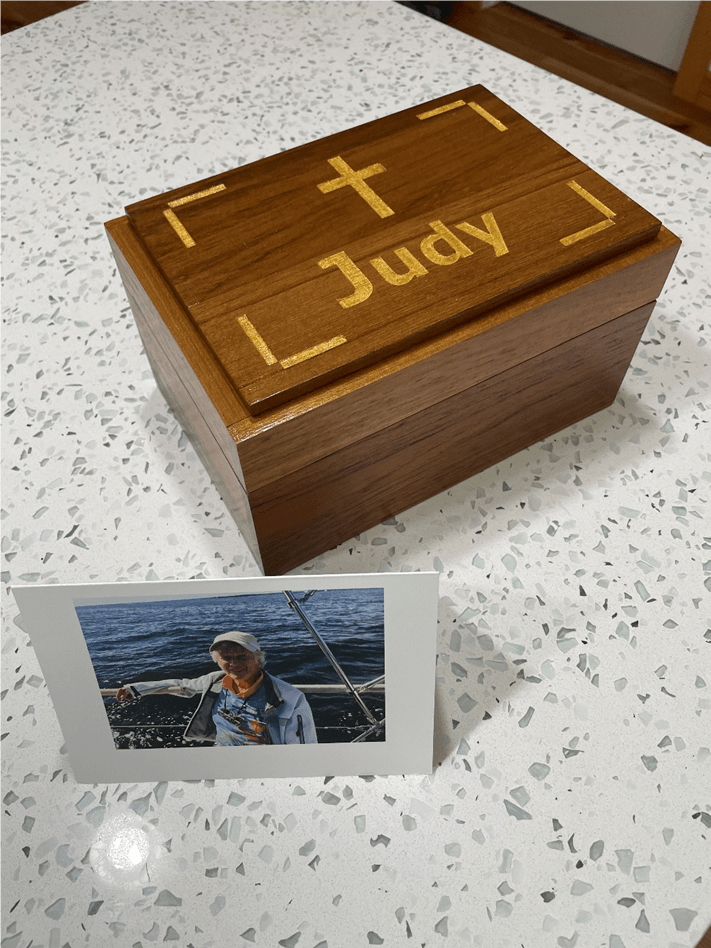
Mt friend’s wife box
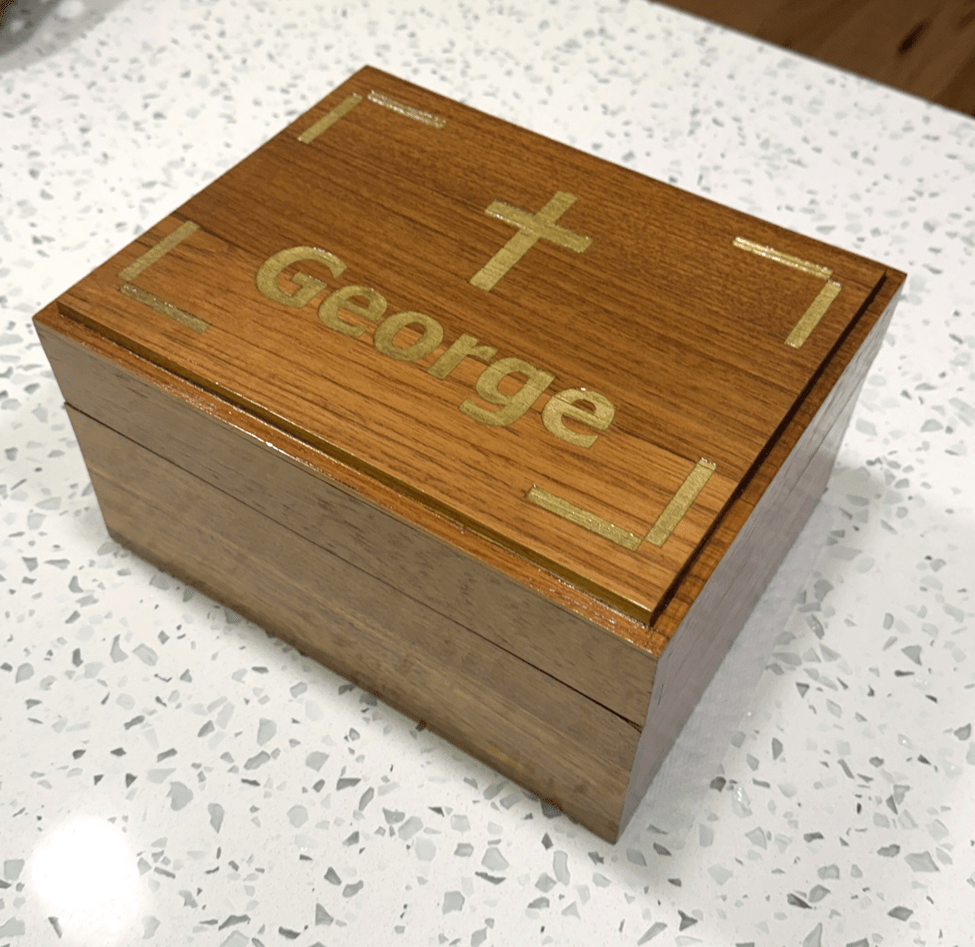
My Friend’s Box


Leave a Reply