Prologue
Those were innocent days. Flotilla 3 was still in its infancy. Lt. Col. Hedar Kimchi was holed up in his office, writing the combat doctrine. The ships were undergoing training based on exercises from the PT boats era (old Torpedo boats) and new drills to practice the capabilities of the newer Saar-class missile boats.
In addition, patrols were carried out to prevent terrorist activities, based on possible scenarios. Just like us, terrorism was in the process of organizing, learning how to harm the state from the sea. The Dabur patrol boats had not yet arrived at the port, though they were already on their way to Israel, and the PT boats had begun their swan song.
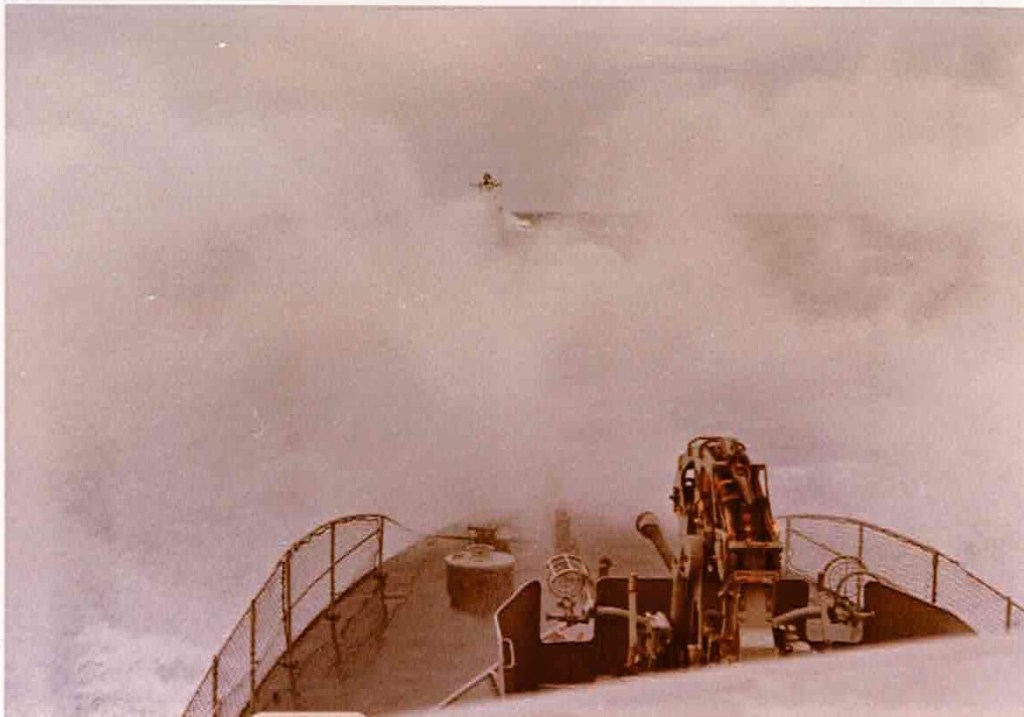
August–September 1970, the INS Eilat, under the command of the late CDR Micha Ram, was patrolling the deep waters off the coast of Tel Aviv on a routine mission to prevent terrorist infiltration. I was a fresh second lieutenant, learning the secrets of the ship, the assistant weapons officer, and every other role on board. As far as I remember, every time there was a drill, I had an active part in it.
In the darkness of the night, a target was spotted moving rapidly from north to south. We gave chase until the target landed on the shore near what the map called Sheikh Zuweid.
The announcement over the ship’s PA system — “Rubber boat team, man your positions!” — came swiftly. The team and I (as was customary on this ship, I was the assistant commander of the rubber boat — a bit strange, but true) ran to the boat, grabbing gear along the way, and into the water we went.
Lieutenant R., the commander of the rubber boat, answered my innocent question as we moved toward shore: “We’re landing to search for the boat that landed earlier.” And I thought to myself, “It’s dark, the navigation isn’t precise, and once we land — how will I know to go right or left?” But I was young and maybe didn’t yet understand what the grown-ups knew.
The sea was fairly calm, but as we got closer to shore, we saw swells and breakers. Ron cut the engine and ordered us to take out the oars and row. Of course, we tried — but since we were sailors, not commandos, the boat quickly turned broadside to the waves. The port side kept rising, and rising — and we were promptly “poured” out into the Mediterranean waters we loved so much as kids.
The Fighters’ Description
Each of us was equipped with a steel helmet, an Uzi, a webbing vest with magazines, an inflatable life belt still tucked in its waist pouch, short naval boots, and an oar in hand. All of us went under. The excess weight took its toll, and I couldn’t get my head above water. As they say, “God protects the fools” — and the force of the breaking waves washed us ashore. We immediately gathered the boat and the equipment that had also been washed up, waited a few minutes to catch our breath, and then R. decided to patrol the beach to locate the terrorists. He took part of the team and left me and Tzfira from Moshav Mesha (Kfar Tavor) to guard the boat.
We waited on the beach until it got cold. I figured the sea was warmer, so I called to Tzfira to join me in the “water buffalo” position — body in the water, head above, maintaining visual contact with the boat. After about 15 minutes, we heard the team returning. I shouted that we were in the water, and R. replied, “Password challenge!” Tzfira started stammering something, and I nearly drowned laughing.
We climbed back into the rubber boat to return to the ship. I held the bow into the waves, and R. worked on the wet engine, barely getting it started. I jumped in, he gave it gas — and Tzvika Yahav was launched back into the water. We pulled him out, got through the breakers. The radio (MK-6) wasn’t working. R. ordered Yahav to take out the signal flashlight and flash toward the sea so the ship would turn on its red lights for us to locate it. Yahav signaled — nothing. He said they must be in the wrong direction. I asked him to flash toward me — and saw the flashlight wasn’t working. The gear wasn’t meant for divers.
I asked R. what’s going on, and he replied shortly that he found tracks on the beach. Luckily, the ship turned on its red lights, and we rejoined it. We climbed aboard, hauled the boat and gear up, and I decided that a quick shower and dry clothes would do me good.
Done quickly. I rushed toward the bridge. On the way, I heard the PA again: “Rubber boat team, man your positions.” Come on — seriously?
We launched the boat, went down with gear. R. started the engine. I asked — he answered, “We called the infantry, and we’re going down to show them the tracks.” I was stunned — the whole story didn’t add up in my head. Navigation back then was completely inaccurate (using the nav table). The shore was straight, with no landmarks for the radar. On the beach, we hadn’t seen a tree or structure to mark where we’d been — and none of us were born there or knew the area. In short, the odds of landing in the same spot were zero. Tracks in the sand? You’ll find those on every beach. But — we rolled with it…
Same drill: R. cuts the engine, we row, we spill overboard, we dive, and the good sea spits us back onto the shore. We gather the equipment from the wet sand, catch our breath. The infantry guys looked at us in awe and asked, “Are you commandos?” I asked why — and they said it looked like you came in diving to stay stealthy. I told them, “Yeah, sure.”
R. went to show them the tracks. Tzfira and I waited in the water. They returned. I didn’t say a word. I held the boat toward the waves, everyone climbed in, I jumped, Ron opened the throttle — the boat surged, two guys flew into the water, we pulled them out and reached the ship, which had no lights since the warm sun had begun a new day.
Later, it turned out that flocks of birds had flown south and confused the radars.
Epilogue
No debrief was held — that’s how I survived to serve another day on the ship.
Note: From a conversation with R., many years later, he told me that a debrief had been conducted, and it was decided not to perform beach landings in the future. Apparently, as a young officer, it wasn’t important to include me in the debrief.
Since everything was done in good faith, and the people involved went on to achieve both professional and personal success, and proved that there is merit in their efforts, I am still in close friendship with some of them who have remained in touch.
They say a cat has nine lives — that night, I shed two of mine.
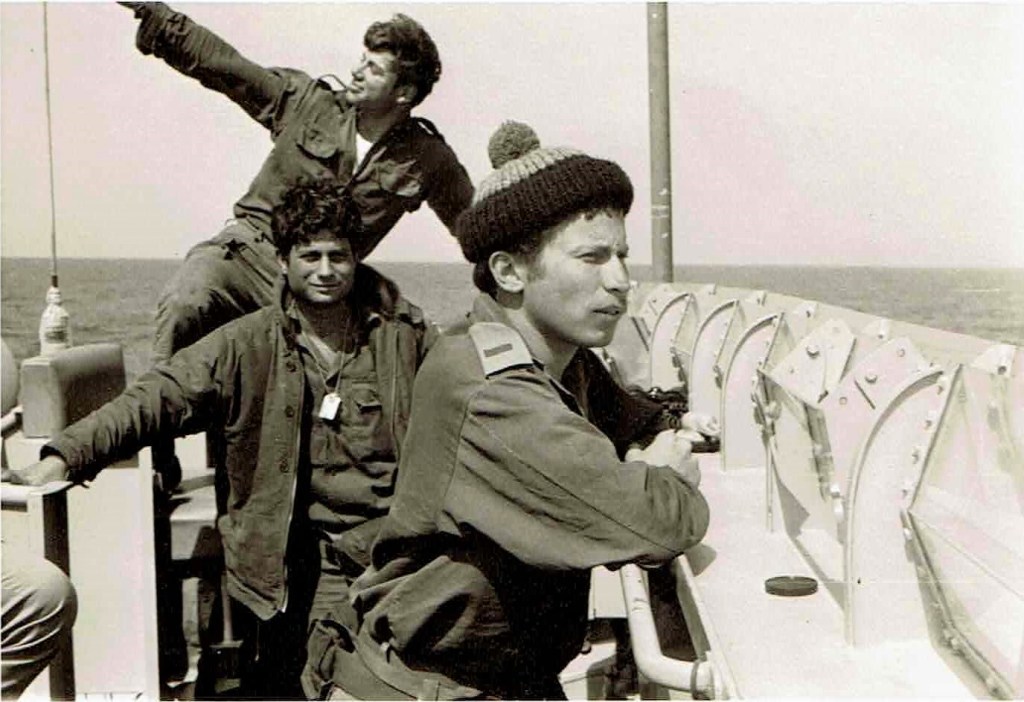
On the bridge
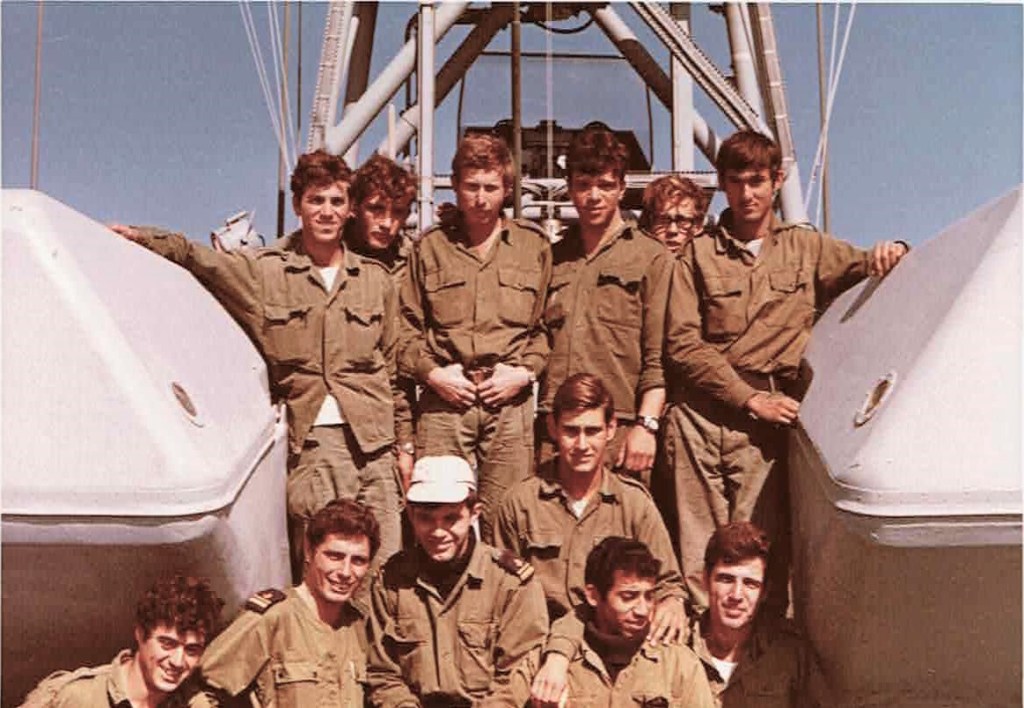
NIS “Eilat” Crew 1971

 Yackov's English Stories
Leave a comment